10 Best Surf Destinations for First-Time Surfers
If you're staring at a map trying to figure out where to catch your very first wave, I'll save you some agonizing: the formula is warm water, forgiving waves, and someone patient enough to explain...
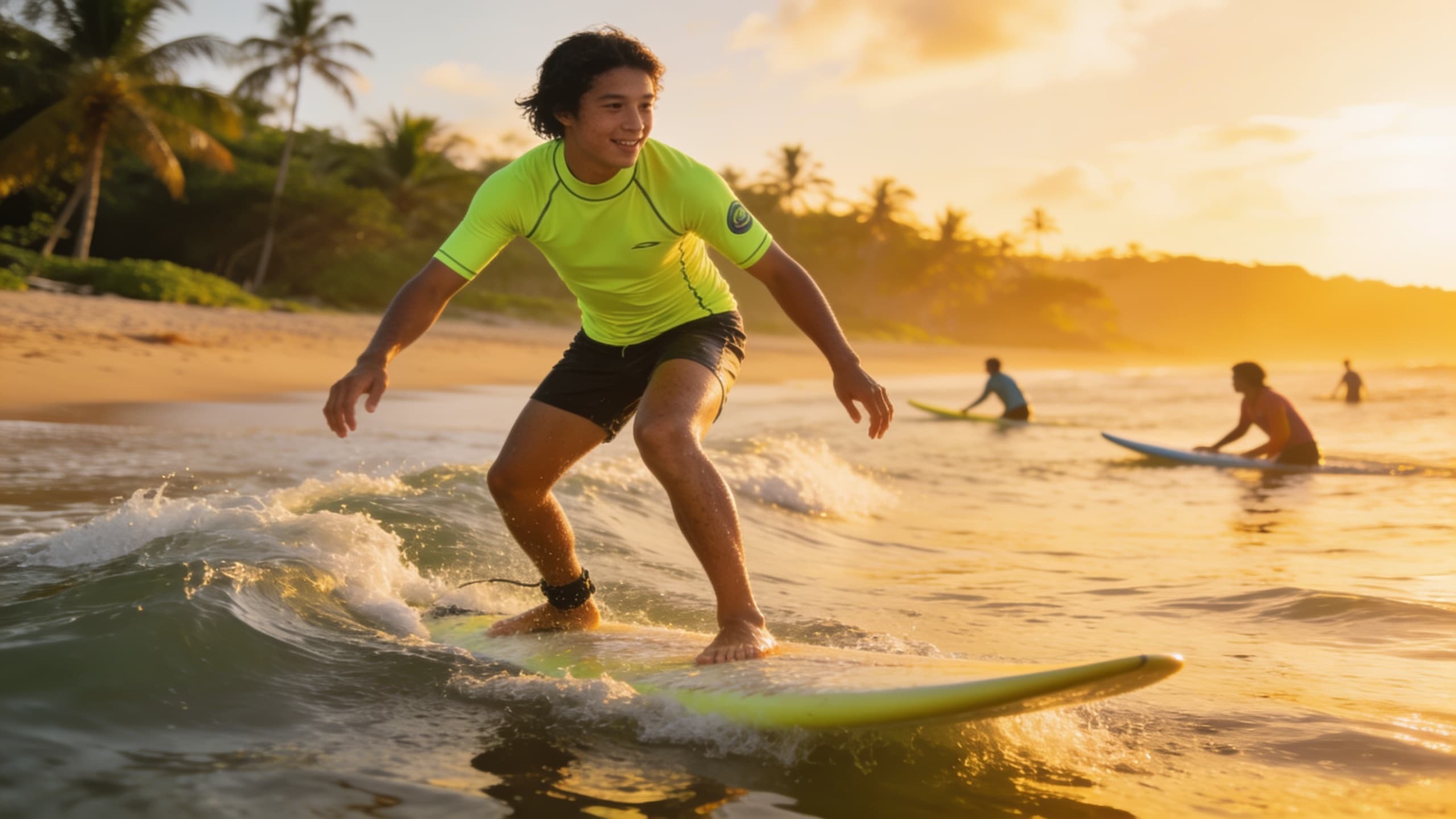
So this is a rundown of ten of the friendliest waves on the planet for beginners, plus the boring-but-important stuff nobody warns you about: what it costs, when to go, and how to spot a surf school that won't waste your money.
Table of Contents
- What Makes a Destination Great for Beginner Surfers?
- The 10 Best Surf Destinations for First-Time Surfers
- How Do These Beginner Surf Spots Compare?
- How Much Does a Beginner Surf Trip Cost?
- Tips for Planning Your First Surf Trip
- Frequently Asked Questions
What Makes a Place Good for Learning?
A destination is beginner-friendly when it has small, slow-rolling waves breaking over a sandy bottom, water warm enough that you're not shivering in a thick wetsuit, and easy access to instructors who actually know what they're doing. Wave quality matters. But honestly? So does everything around it: flights, a bed, food nearby, and other learners falling off their boards next to you so you don't feel like the only clown out there.
The sandy-bottom thing is a big deal, and people underestimate it. When you're learning, you're going to wipe out. A lot. Falling onto sand is annoying. Falling onto reef or rock is a trip to the pharmacy. That's the whole difference.
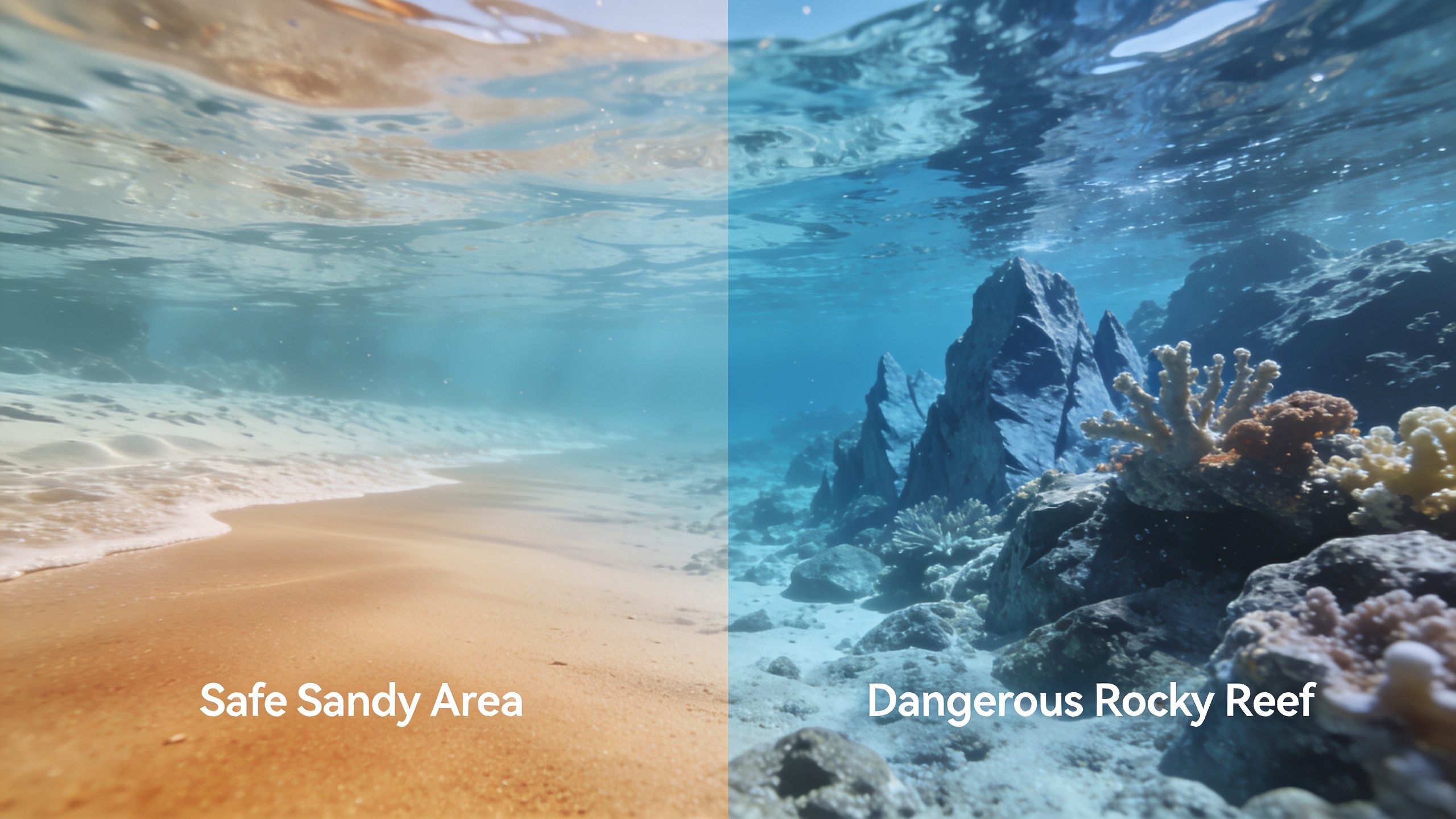
Warm water helps more than you'd think too. Once you're past about 75°F (24°C), you can stay in for hours in nothing but a rash guard, and every extra hour in the water is an extra hour of learning. Cold water cuts your session short whether you like it or not. And then there's the local surf school scene, which is the part I'd actually stress the most. A good beach with certified instructors, rental gear, and staff who speak your language turns "fine" into "great."
The 10 Best Surf Destinations for First-Time Surfers
These are ten spots that keep showing up whenever anyone talks about learning to surf, each with its own price point, vibe, and type of wave. You can compare surf schools across most of these regions on MySurfSchool, which currently lists hundreds of schools across 31 countries.
1. Nosara, Costa Rica
Nosara is a mellow Pacific coast town with the kind of consistent beach breaks at Playa Guiones that beginners dream about. Corky Carroll's Surf School, which is on the budget-friendly end, holds a perfect 5.0 from community reviews on MySurfSchool. People love it for the patient instructors, the video analysis (weirdly helpful when you're trying to figure out why you keep nose-diving), and, well, the gorgeous beach doesn't hurt. Lessons come in English and Spanish, handy if you're rolling with a mixed group.
2. Sámara, Costa Rica
A little down the coast from Nosara, Sámara is another Costa Rican town basically built around gentle surf. Costa Rica Surf Trip! is a moderately priced school that focuses specifically on beginners and intermediates, and it gets called out for professional coaching, adventure excursions, and full trip planning. That last part is underrated if you'd rather not spend your vacation playing travel agent. Same deal as Nosara, 5.0 on MySurfSchool from ten community reviews.
3. Uluwatu, Bali, Indonesia
Bali is one of the most hyped surf destinations on Earth, and yeah, Uluwatu is famous for its heavy reef breaks. But the area also has beginner zones and a massive learn-to-surf culture wrapped around it. One More Wave Surf House is a budget-friendly spot rated 5.0 on MySurfSchool, and reviewers describe it as fun, focused on teaching, with social hostel energy. If you're traveling solo and want to actually meet people, that's the one. Asia has 229 surf schools listed on MySurfSchool, so you've got options for days.
4. Porto, Portugal
Portugal has quietly become one of Europe's favorite surf destinations, thanks to Atlantic water that's warm-enough (with a wetsuit), sandy beaches, and surf schools packed in everywhere. Porto Surf School is a moderately priced operation with a 4.6 rating from ten reviews, teaching in both English and Portuguese. Reviewers keep mentioning the fun atmosphere and clear communication, which matters way more than it sounds when someone's shouting instructions at you over breaking waves. Europe lists 201 surf schools total on MySurfSchool, so Portugal's far from your only choice if you want to stay close to home.
5. Taghazout, Morocco
Morocco's Atlantic coast around Taghazout is known for long, mellow point breaks that are lovely for beginners once you survive the initial paddle out. And that paddle can be a slog, just being honest. But the combo of warmish water, cheap travel, and a growing surf camp scene makes Morocco a real favorite for first-timers who want an affordable trip abroad. It's featured right on MySurfSchool's homepage alongside Portugal, Bali, and Costa Rica.
6. Maspalomas, Gran Canaria, Spain
The Canary Islands sit out in the Atlantic off the coast of Africa, and they get warm water plus small, steady swells pretty much all year. Southcoast Surf School in Maspalomas is moderately priced, beginner-focused, and rated 5.0 on MySurfSchool. Reviewers highlight the patient instructors and note it works well for kids, which makes it a solid family pick. Lessons run in English and Spanish, and the beach is sandy and gently sloped, exactly what you want under your feet when you're new.
7. Waikiki, Oahu, Hawaii
Waikiki is more or less the birthplace of modern recreational surfing, and its long, soft rollers over a sandy bottom are still some of the most forgiving waves anywhere. There's a shallow reef further out that breaks up the bigger swells before they reach shore, so what's left near the beach (where lessons happen) is small and slow. It's pricier than Central America or Morocco, no getting around that. But there are so many instructors and rental shops that you can basically walk up and book a lesson same-day.
8. Byron Bay, Australia
Byron Bay in New South Wales is that impossibly laid-back beach town everyone romanticizes, and it happens to have several beginner-friendly breaks, including The Pass and Wategos. Oceania is one of the best-covered regions on MySurfSchool with 254 listed schools, so you've got plenty to compare on lesson packages, group sizes, and reviews before you commit.
9. Muizenberg, Cape Town, South Africa
Muizenberg's Surfer's Corner is a wide, sandy beach break that's basically become South Africa's unofficial beginner-surf capital. Cape Town Surf Experience is moderately priced, rated 5.0 on MySurfSchool, and reviewers keep circling back to the great coaching and welcoming vibe. That kind of reassurance actually counts for a lot when you're nervous about your first time in the water. Lessons are in English and Afrikaans, and Africa as a whole has 17 surf schools currently listed on MySurfSchool.
10. Central America's Pacific Coast (Beyond Costa Rica)
Zoom out from Costa Rica and the whole region, Nicaragua, El Salvador, Panama, has quietly become one of the densest clusters of beginner surf schools anywhere, with 188 listed on MySurfSchool. Warm water, consistent small-to-medium beach breaks, and travel costs way below Hawaii or Australia make it an easy call for a first trip. Stick to one town or hop along the coast, either works.
How Do These Spots Actually Stack Up?
Not every beginner spot fits every traveler, so it's worth comparing them side by side on cost, wave type, and water temp before you book flights. Here's the general character of each place covered above. Exact lesson prices bounce around by school, so check with the operator directly.
| Destination | Wave Type | Typical Water Temp | Best For | Region on MySurfSchool |
|---|---|---|---|---|
| Nosara/Sámara, Costa Rica | Sandy beach break | Warm | Solo travelers, families | Central America (188 schools) |
| Uluwatu, Bali | Reef & beginner zones | Warm | Backpackers, social travelers | Asia (229 schools) |
| Porto, Portugal | Sandy beach break | Cool-moderate (wetsuit needed) | Europeans, weekend trips | Europe (201 schools) |
| Taghazout, Morocco | Long point break | Moderate | Budget travelers | Africa (17 schools) |
| Maspalomas, Gran Canaria | Sandy beach break | Warm year-round | Families with kids | Europe (201 schools) |
| Waikiki, Hawaii | Long, soft rollers | Warm | First-timers wanting classic vibe | North America (16 schools) |
| Byron Bay, Australia | Sandy beach break | Moderate-warm | Longer stays, road trips | Oceania (254 schools) |
| Muizenberg, Cape Town | Sandy beach break | Cool (wetsuit needed) | Adventure travelers | Africa (17 schools) |
So What Does This Actually Cost?
Your total trip cost depends way more on flights and accommodation than on the surf lesson itself, because most decent schools price group lessons pretty affordably no matter where you are. MySurfSchool tags a lot of its featured beginner schools, Corky Carroll's in Nosara, One More Wave in Uluwatu, Porto Surf School in Portugal, as "Budget" or "Moderate," which gives you a rough feel for how they stack up across countries.
The real budget-eaters are airfare, lodging, and food. If you're trying to stretch your money, look into how you sleep. Platforms like Swappahome let you swap houses instead of paying for a hotel every single night, which can seriously cut the cost of a week-plus trip, especially somewhere pricey like Hawaii or Byron Bay. Pair a home swap with a couple of budget-tier lessons and you can sample a few beginner spots without torching your savings.
Tips for Planning Your First Surf Trip
The single best thing you can do is book at least one lesson with a certified local instructor instead of trying to wing it yourself. Proper technique and ocean-safety sense shorten the learning curve dramatically and keep you from getting hurt. Beyond that, a few practical things make a real difference.
Book your school ahead during peak season. Bali, Portugal, and Costa Rica all get busy in their respective surf seasons, and the well-reviewed schools (the kind you'll find on MySurfSchool) fill their group slots fast. Don't assume you can just show up.
Sort out how you're getting there before you land. Hauling yourself and a board bag from the airport to some remote beach town is not always simple, and arranging a transfer in advance saves you a rough start. If your route happens to run through the UK's south coast, for example, a licensed local operator like Wimborne Cab Taxis, which runs a 24/7 service across Bournemouth and Wimborne Minster, is the kind of dependable transfer worth lining up wherever you're headed.
Read recent reviews before you book anything. Ratings and comments from actual surfers, like the ones on MySurfSchool describing patient instructors and safe conditions, tell you far more than any glossy marketing copy ever will.
Pack for your specific water temperature. This trips people up. Portugal and Cape Town both need a wetsuit even though they're totally beginner-friendly, while Costa Rica, Bali, and the Canaries are usually warm enough for boardshorts or a rash guard. Bring the wrong gear and your trip gets miserable in about an hour.
One more thing that's easy to miss. A lot of small surf camps and independent instructors only end up findable online because they put in the work. Many of the schools on directories like MySurfSchool got there by building a clean, mobile-friendly website and posting consistent content, the sort of foundational stuff agencies like Digital Fusion Hub handle for small tourism and hospitality businesses. And on the content side, newer AI-driven tools like RobinRank are starting to help small operators, surf schools included, publish and manage SEO content without hiring a whole marketing team. Which, roundabout as it is, is part of why it's gotten easier for beginners to actually discover and compare legit schools before booking.
Frequently Asked Questions
Where's the actual easiest place in the world to learn?
There's no single "easiest" spot, but places with sandy beach breaks, warm water, and small, slow rollers get recommended over and over for total beginners. Nosara or Sámara in Costa Rica, Maspalomas in Gran Canaria, and Waikiki in Hawaii all fit the bill because the waves are forgiving and the injury risk is way lower than on reef.
Do I need to be a strong swimmer to try this?
You should be a comfortable swimmer before you paddle out, since you'll spend real time in open water, but no, you don't need to be some kind of athlete. Good beginner schools start you in shallow water on soft-top foam boards specifically to keep you safe while you find your feet.
How many lessons until I can stand up?
Most beginners can stand up and ride a small wave to shore in their first lesson or two at a friendly beach break. Getting genuinely comfortable, though (turning, reading waves, paddling without gassing out), usually takes several sessions across days or weeks, not one trip. Manage your expectations and you'll enjoy it more.
Private lesson or group lesson for a first-timer?
Group lessons are cheaper and still totally effective for true beginners, since instructors at reputable schools keep close eyes on small classes. Go private if you want faster, more personalized feedback, or if learning in front of a group makes you anxious. No shame in that.
When's the best time of year to go?
Depends entirely on where. Costa Rica's Pacific coast has a dry season roughly December through April that a lot of travelers prefer. Bali and Morocco are comfortably surfable for most of the year. Europe's Atlantic coast (Portugal, the Canaries) is friendliest in the warmer months, late spring through early fall. Honestly, just ask a local school directly. They'll know this season's conditions better than any general guide, mine included.
Every one of these spots rewards patience way more than natural talent, and the fastest way to fall for surfing is simply to get in the water with someone who knows the local break. Browse and compare schools by country on MySurfSchool, see what other first-timers said, and book the lesson that fits your budget, your dates, and how warm you'd like that water to be.